
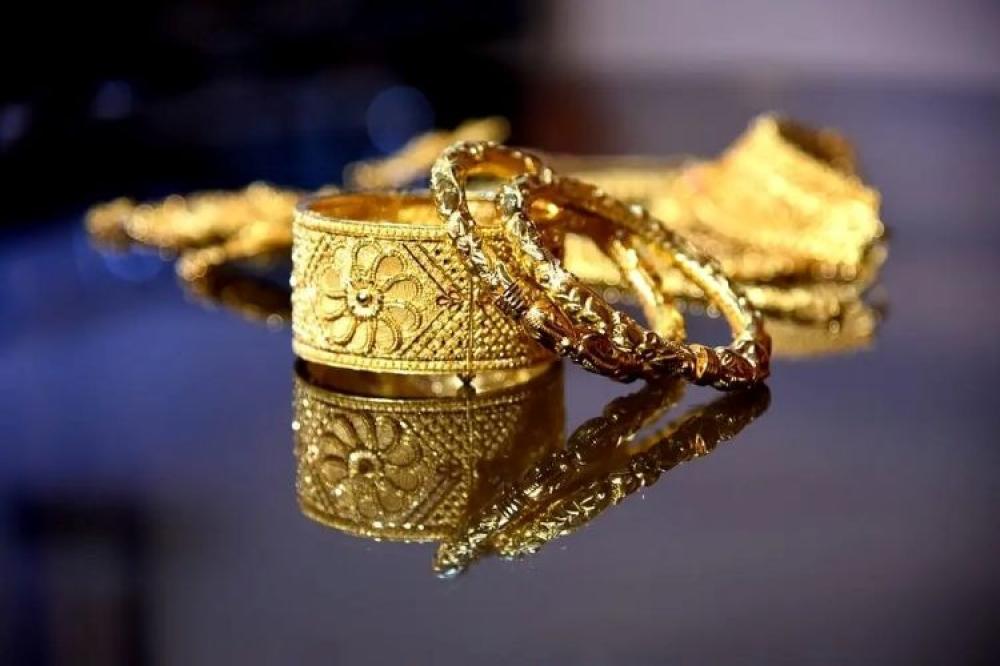
Distinguishing between genuine and imitation gold is one of the most important things that concerns everyone who seeks to acquire a piece of gold that combines value, quality, and a safe investment. Out of Masat Al Saada’s keenness to provide a reliable buying experience based on transparency and credibility, we put in your hands a comprehensive guide that shows you the correct ways to verify the authenticity of gold, starting from checking the carat and the official hallmark, through the physical properties, to the most important internationally approved standards. With Masat Al Saada, luxury is not limited to design only, but extends to include confidence and reassurance in every piece you choose.
How can you tell real gold from fake?
With the abundance of gold types available in the markets, it has become essential to know how to distinguish between real and fake gold, to ensure a safe investment and preserve its material and aesthetic value. Therefore, we offer you a comprehensive guide to discovering the purity of gold and testing it using traditional and modern methods before purchasing:
How to identify real gold using a magnet
Testing gold with a magnet is an easy and simple way to determine the authenticity of a piece. Real gold is not magnetic, so if the piece attracts a magnet, this is a strong indication that it may be fake or gold-plated.
How to identify real gold using vinegar
White vinegar can be used as a simple home method to test the purity of gold, as real gold does not react with acids. The following steps can be followed:
- Cleaning the piece: Make sure the gold is clean and dry. It can be washed with soap and water and then dried with a soft cloth.
- Preparing the vinegar: Place enough white vinegar in a cup or bowl to completely cover the piece.
- Immerse the piece in vinegar: Place the gold inside the vinegar and make sure it is completely submerged.
- Observation: Leave the piece for 5 to 10 minutes, then examine it carefully.
- Interpretation: If there is no change in color or shape, this is an indication that the gold is real. However, if bubbles appear or the color changes, the gold may be fake or plated.
How to identify real gold using water
Real gold is very dense and sinks quickly when placed in water, while lighter metals or plated gold may float or remain suspended in the middle of the water. Test steps:
- Fill a cup with water to completely cover the piece.
- Gently place the gold in the water.
- Observe the behavior of the piece:
- Real gold: It sinks and settles at the bottom quickly.
- Fake gold: floats or remains suspended.
How to identify real gold using fire
The fire test is a traditional method for testing the purity of gold, as real gold is not easily affected by heat, while other metals or plated gold may change color or show dark spots. Test steps:
- Heat the piece of gold slowly using a flame spread over the entire surface.
- Observe the interaction:
- Real gold: It retains its color and shine without change.
- Fake gold: It may turn black, develop spots, or the plated layer may melt.
How to tell real gold from fake
The easiest way to verify the authenticity of gold is through careful visual inspection, as genuine gold often carries a stamp indicating the carat of the piece, such as 10K, 14K, 18K, 24K, or indicating the purity of the gold, such as 999 and 750.
If you're looking for an easy way to tell if gold is genuine, here are the most important signs:
- Real gold does not tarnish easily and does not leave any black spots on the skin when worn.
- Gold does not rust or change color; it resists oxidation unlike other metals such as iron or copper.
- Gold does not react with household acids such as lemon juice or vinegar.
- Gold only dissolves when exposed to a very strong acid such as nitrohydrochloric acid, which is rare and not used in everyday life.
The best tips for distinguishing real gold from fake
- Scratch test: Use an unglazed piece of ceramic, such as a ceramic tile, and scratch the gold piece against it. If the mark leaves a golden color, it may be real gold; if it leaves a dark or black mark, it may be gold-plated.
- Color check: Real gold has a warm, uniform yellow color, while plated gold may appear dull or discolored when exposed to light.
- Checking the weight: Gold is characterized by its high density, so if the piece is abnormally light compared to its size, this may indicate that it is not genuine.
- Using a magnifying glass: Examining the pieces closely helps to notice the fine details in the design, as real gold appears with fine finishes and a luxurious feel, while fake pieces often lack this level of precision.
- Checking for certificates: When buying large or expensive pieces, make sure there is a reliable certificate that proves the purity of the gold and its karat.
- Avoid unreliable sources: Make sure to buy gold from Diamond of Happiness, the best trusted store to reduce the risk of getting fake pieces.
How to distinguish between genuine and plated gold in simple steps
If you want to easily tell the difference between genuine and plated gold without the need for complicated equipment, here is a practical guide to help you verify in clear steps:
1. First step: Measuring density
Begin by accurately weighing the gold piece using a sensitive scale, then immerse it in a container of water to measure the amount of water displaced. Next, calculate the density using the equation:
Density = Weight ÷ Volume of displaced water
If the density is close to 19.3 g/cm³, this is a strong indicator that the gold is genuine. If it is much lower, it may indicate the presence of other metals or a coating over the gold.
2. Step Two: Testing the Ceramics
Use a piece of unglazed ceramic and gently rub the gold piece against it:
- If a shiny gold line appears, this indicates that the gold is genuine.
- If it leaves a black or gray mark, it is likely painted or fake.
3. Third step: Acid test
You can use a gold acid test kit, which is available in jewelry stores or online. Place a small drop of acid on an inconspicuous part of the piece:
- Real gold is not affected by acid and does not change color.
- As for impure or plated gold, it may show a change in color or signs of corrosion.
4. Step Four: Consult a Jewelry Expert
For accurate confirmation, it is best to consult a professional jeweler or metal expert, as they possess advanced tools and precise techniques to analyze the components of gold and verify its authenticity and quality.
In conclusion, by using these simple and effective methods, you can easily distinguish between genuine and imitation gold, ensuring that you choose pieces of high quality and real value. Do not let doubts hinder you, and enjoy a safe and reliable shopping experience with Diamond of Happiness, where you will find everything you need in genuine jewelry, designed with the highest standards of quality and luxury, to add a touch of elegance and distinction to your look.
Frequently Asked Questions
Can the weight of gold determine its authenticity?
Yes, gold is very dense, so if the piece is lighter than expected for its size, it may be fake or made of other metals.
Does a magnifying glass help in detecting fake gold?
Certainly, real gold has fine details and clear engravings, while fake pieces often look less refined and lack intricate details.
Are there 100% guaranteed methods for detecting real gold?
The best and most reliable method is to test the gold using specialized tools or to consult a trusted jeweler or metal expert who has accurate devices for analyzing gold purity.
Does buying from a trusted store guarantee that the gold is genuine?
Yes, always buy gold from trusted and well-known stores, such as Diamond of Happiness, which guarantees quality and authenticity with certificates proving the purity of each piece.